Title
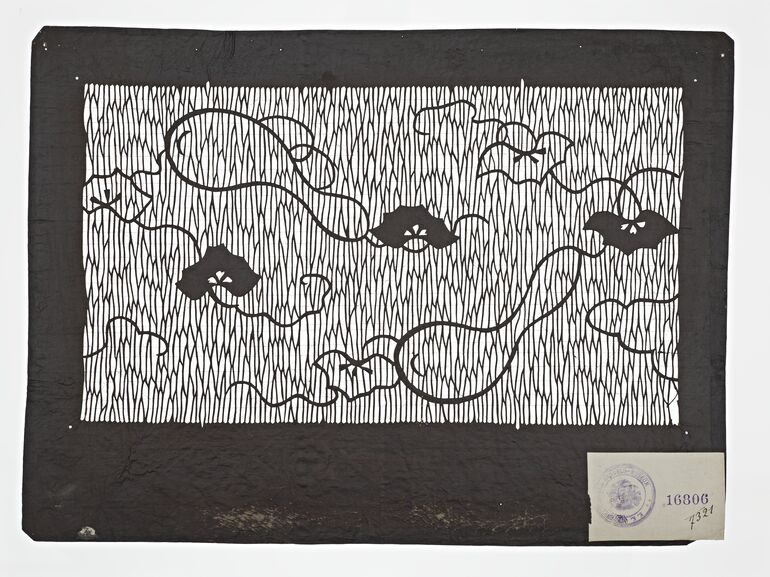
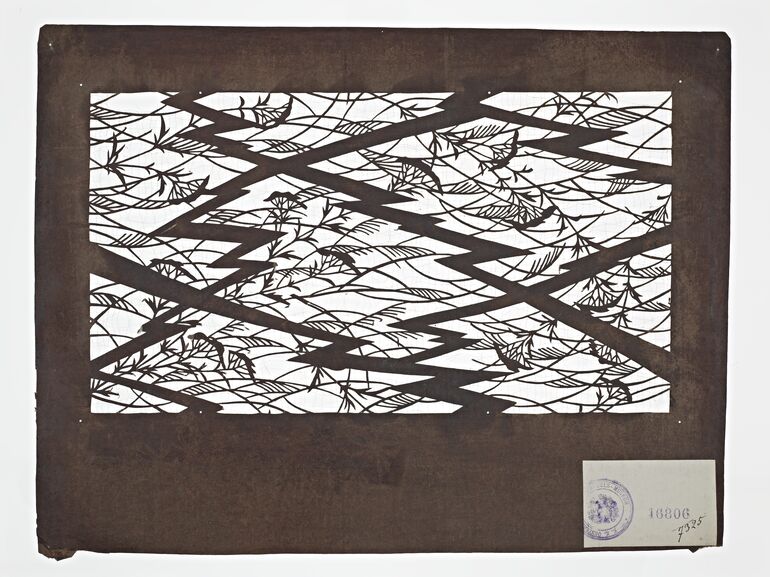
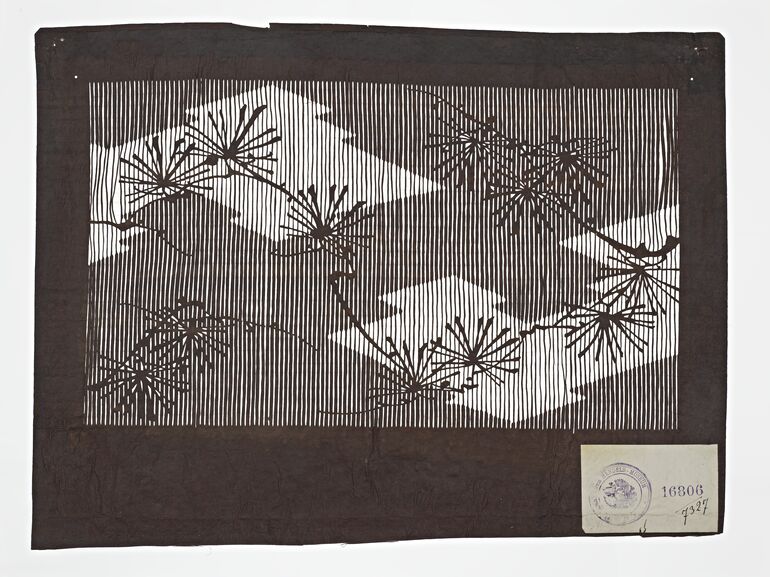
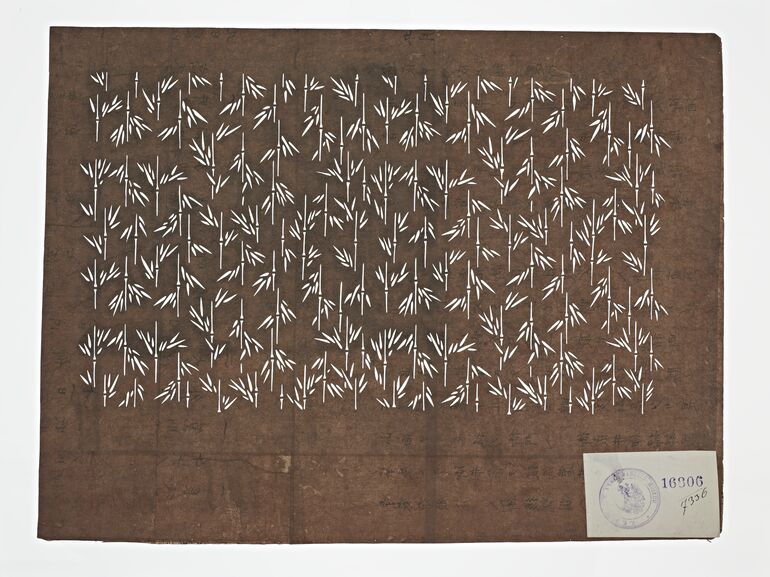
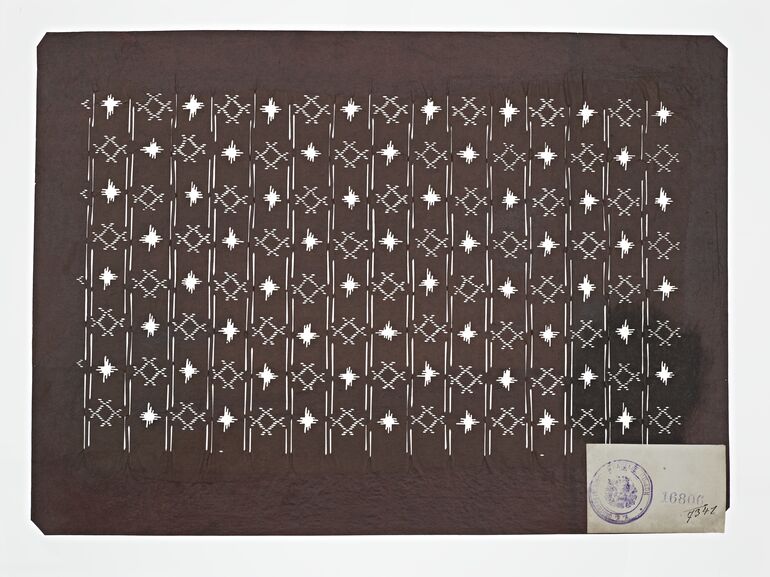
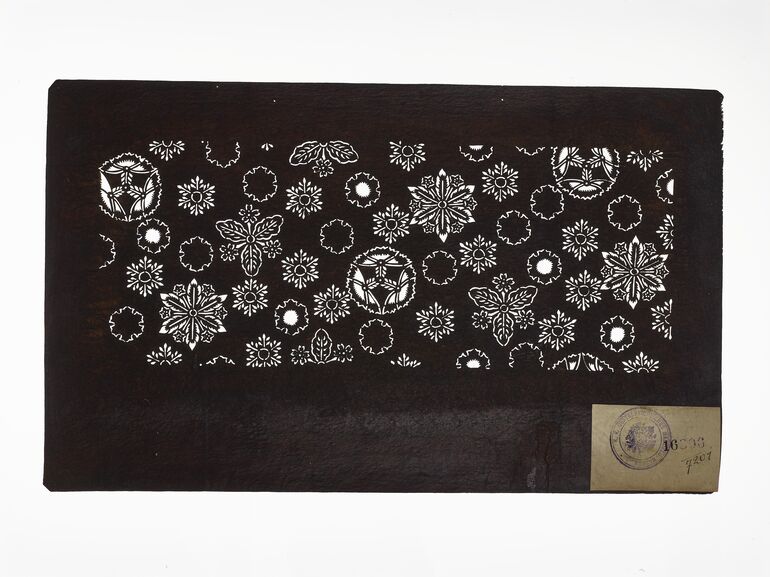
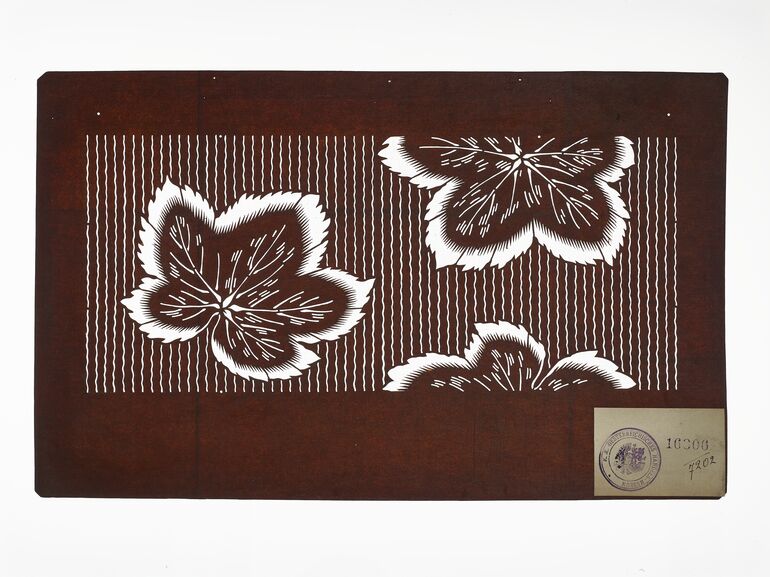
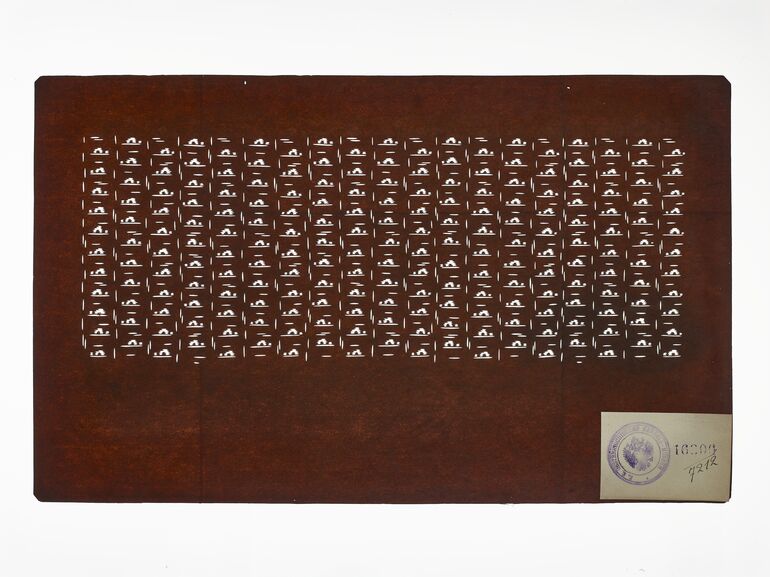
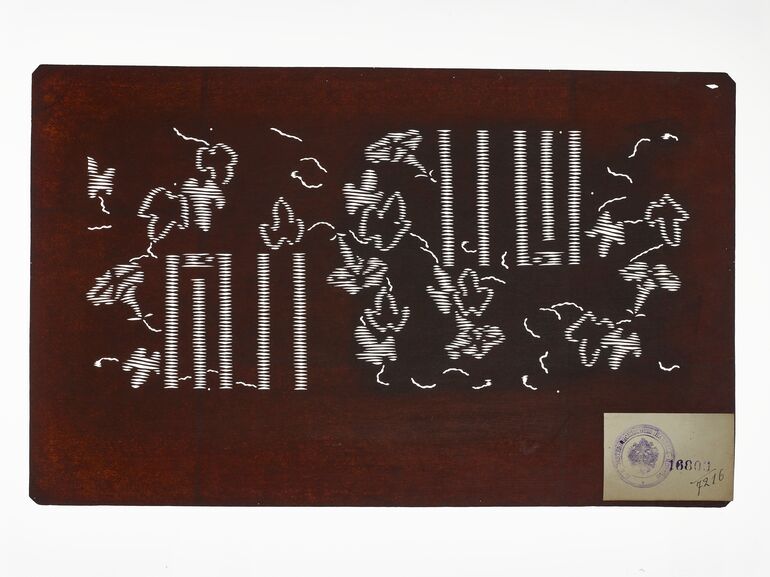
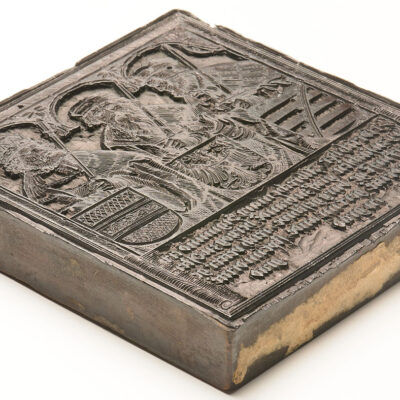
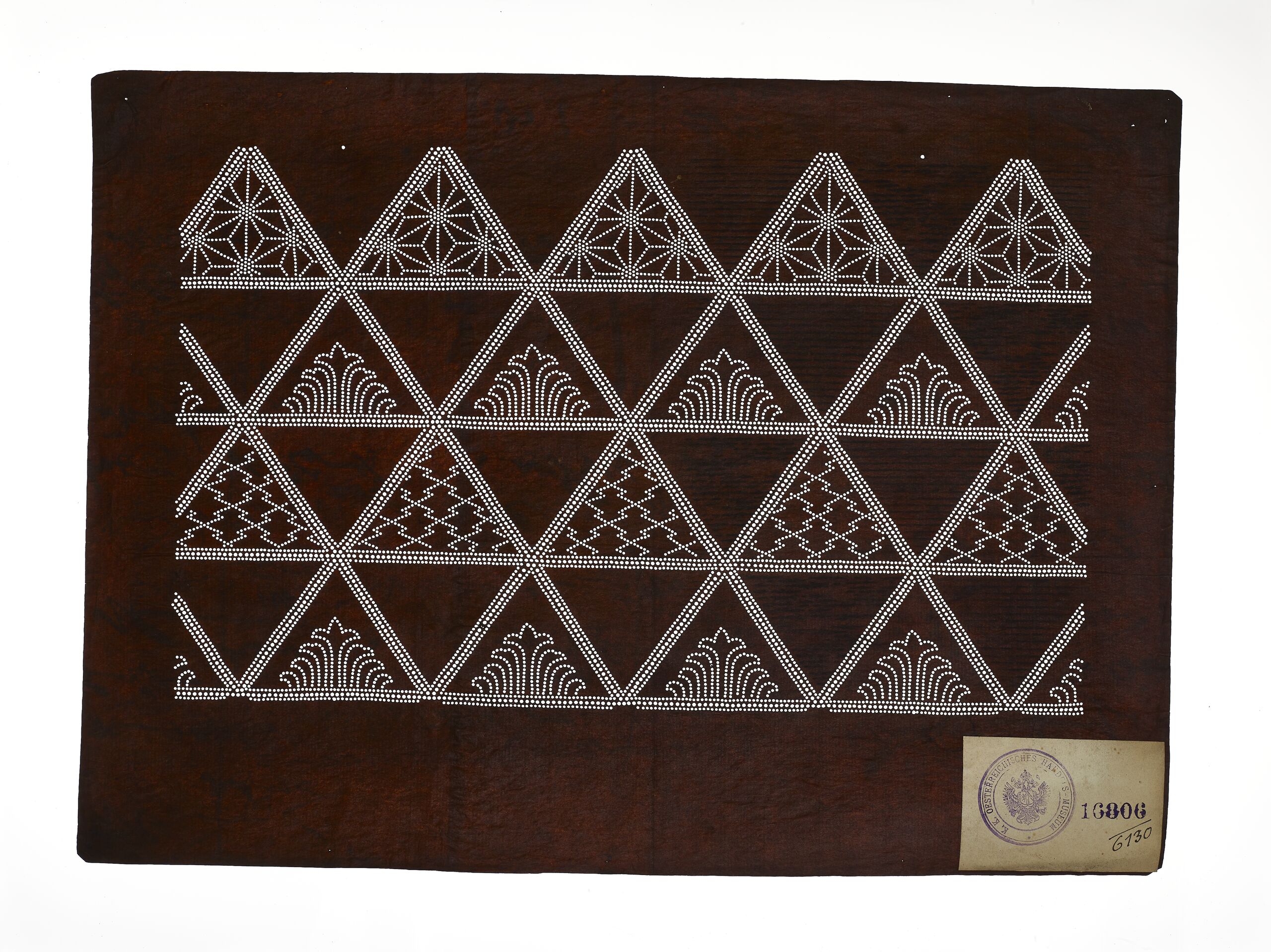
- Surface pattern (waritsuke monyō 割付文様), plant pattern (shokubutsu monyō 植物文様): uroko 鱗 (fish scales; triangles) with asa no ha 麻の葉 (hemp leaves), shōbugawa 菖蒲革 (calamus leather) and matsukawabishi tsunagi 松皮菱繋ぎ (connected matsukawabishi) pattern
Collection
Period | Style | School
Material | Technique
Measurements
- height: 30.5 cm
- width: 41.6 cm
- pattern - height: 21.3 cm
- pattern - width: 35 cm
Inventory number
- OR 3925-6130
Acquisition
- assumption , 1907
Department
- Asia Collection
Description
-
"Dyed ground" (jizomari 地染).
Asa no ha 麻の葉 (hemp leaves): a hexagonal pattern called asa no ha 麻の葉 because it resembles the hemp leaves. A hemp plant is robust and grows straight up. Therefore, the pattern is said to have been preferred for the clothes of the newborns. It is not only found on kimonos, but also on obi, under kimonos and small pouches.
Shōbu 菖蒲 (= calamus) can mean according to the sound “military” or “martial”. Therefore, the armors made of tanned deerskin was often decorated with the shōbu motif. This motif is also used as a fabric pattern called shōbugawa monyō 菖蒲革文様 ("calamus"-leather pattern).
Matsukawabishi 松皮菱 pattern is a combination of 3 diamonds; matsukawa 松皮 = pine-bark, bishi/hishi 菱 = diamond.
-
stencil (katagami 型紙), Surface pattern (waritsuke monyō 割付文様), plant pattern (shokubutsu monyō 植物文様): uroko 鱗 (fish scales; triangles) with asa no ha 麻の葉 (hemp leaves), shōbugawa 菖蒲革 (calamus leather) and matsukawabishi tsunagi 松皮菱繋ぎ (connected matsukawabishi) pattern, Anonym, MAK Inv.nr. OR 3925-6130
-
https://sammlung.mak.at/en/collect/surface-pattern-waritsuke-monyo-割付文様-plant-pattern-shokubutsu-monyo-植物文様-uroko-鱗-fish-scales-triangles-with-asa-no-ha_348391
Last update
- 25.04.2026
Related via
Artist
Artist
Location
Material