The MAK Geymüllerschlössel
Album curated by: Kathrin Pokorny-Nagel, 2026
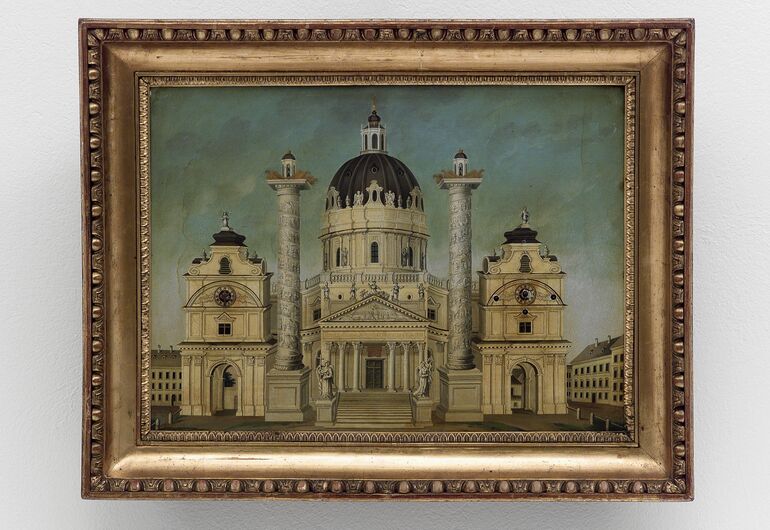
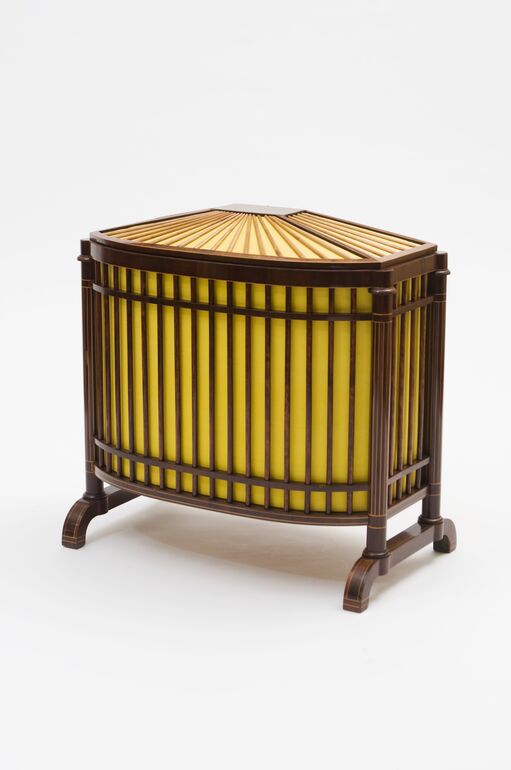
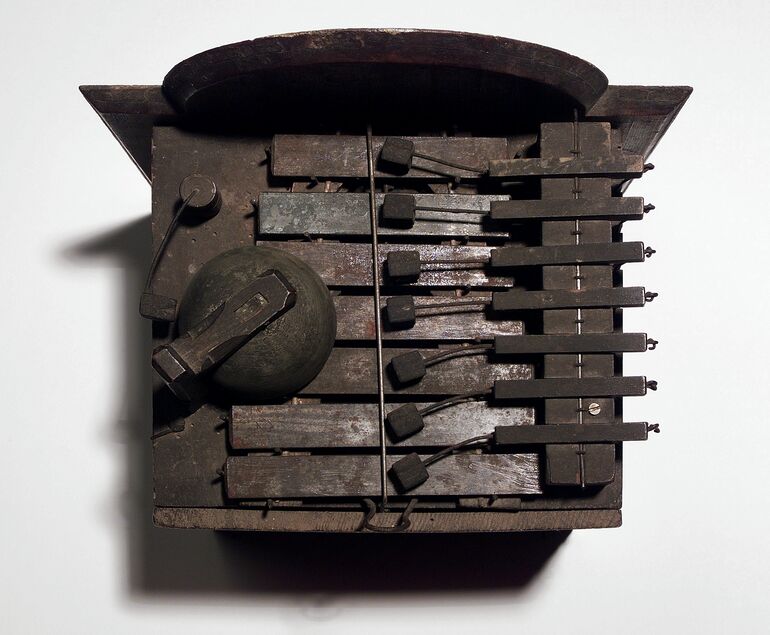
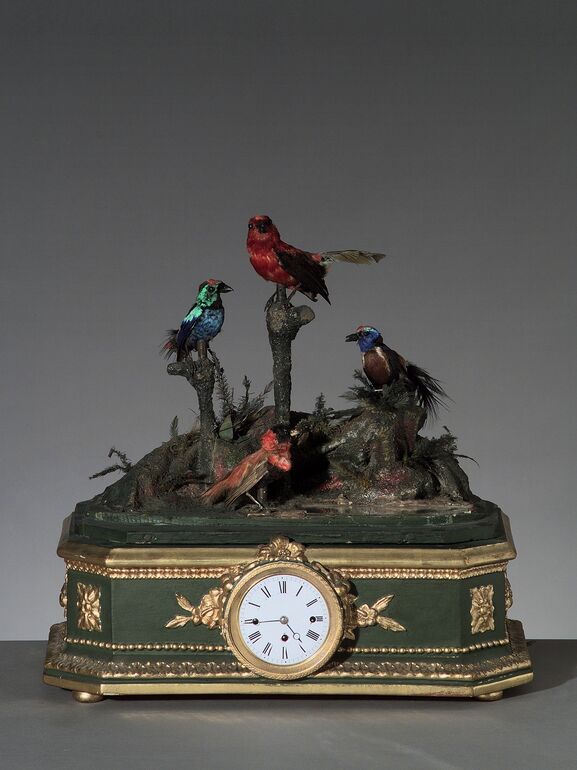
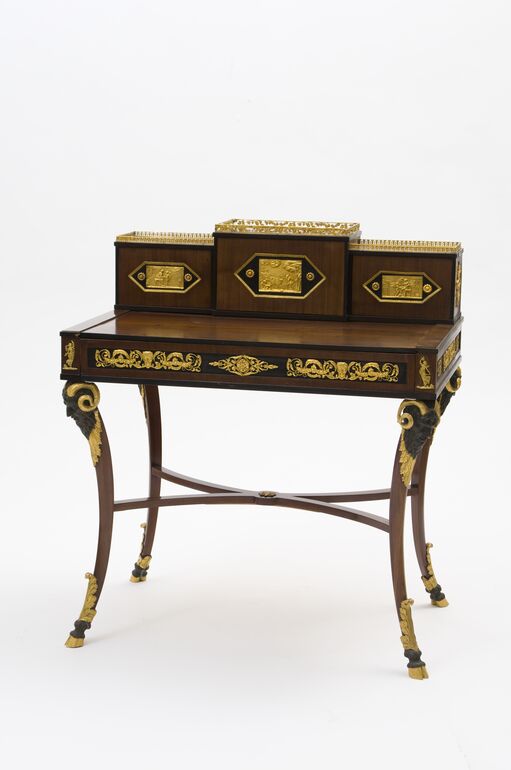
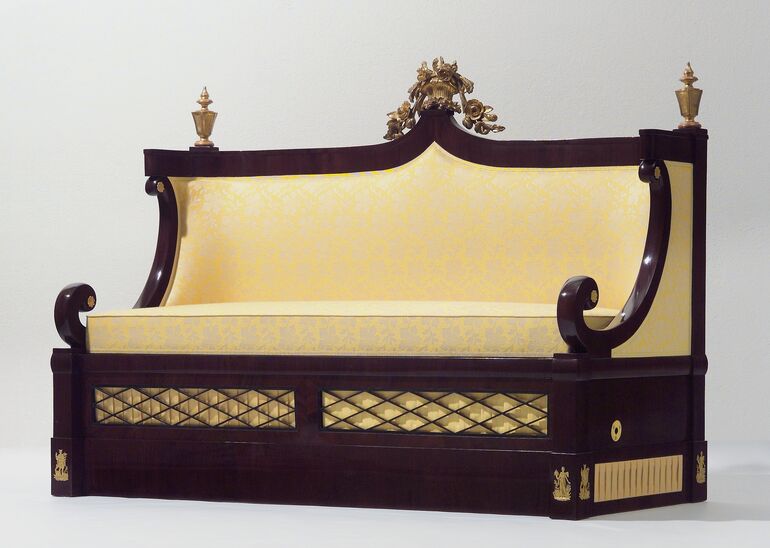
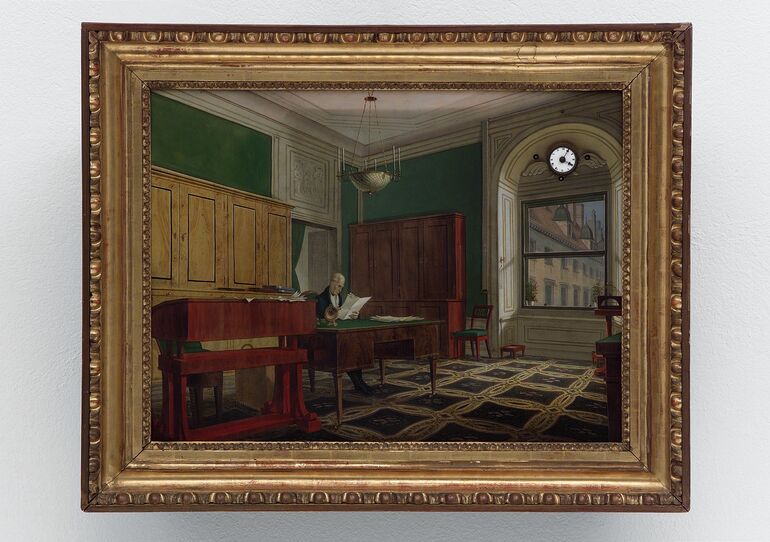
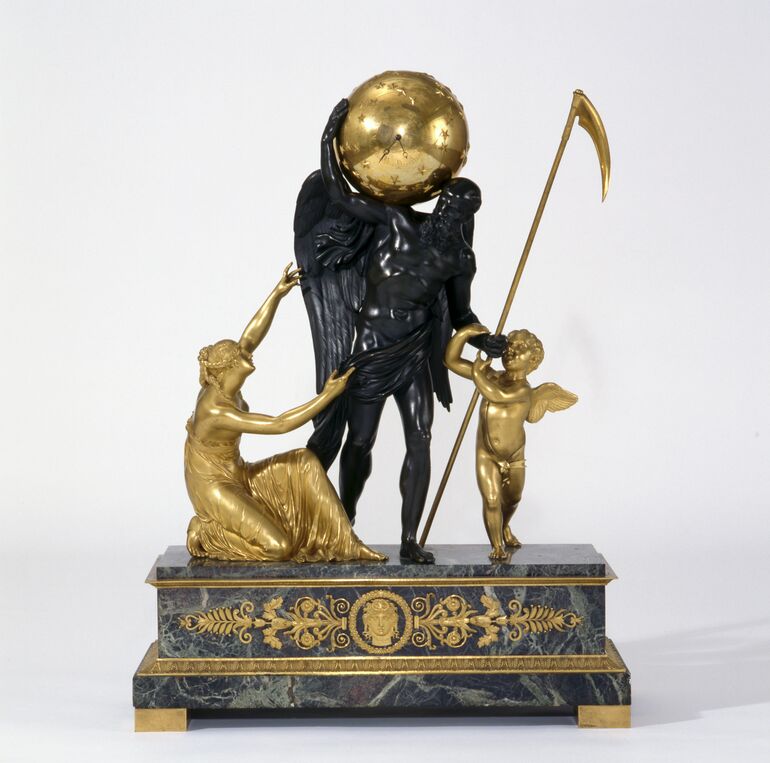
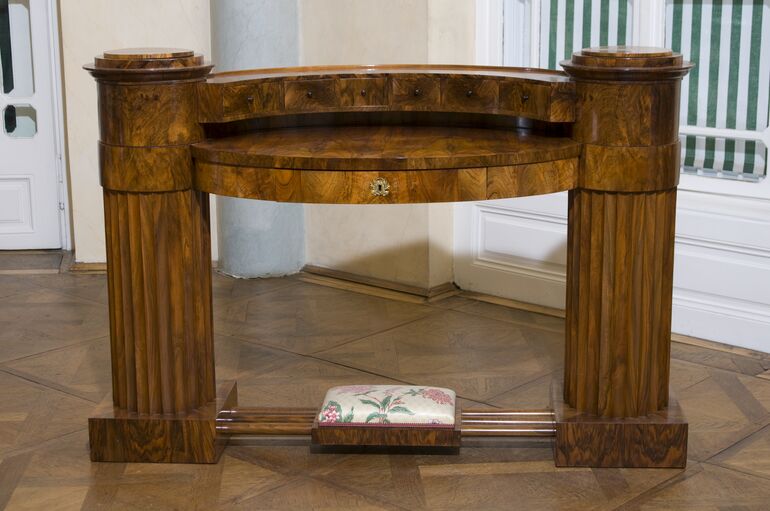
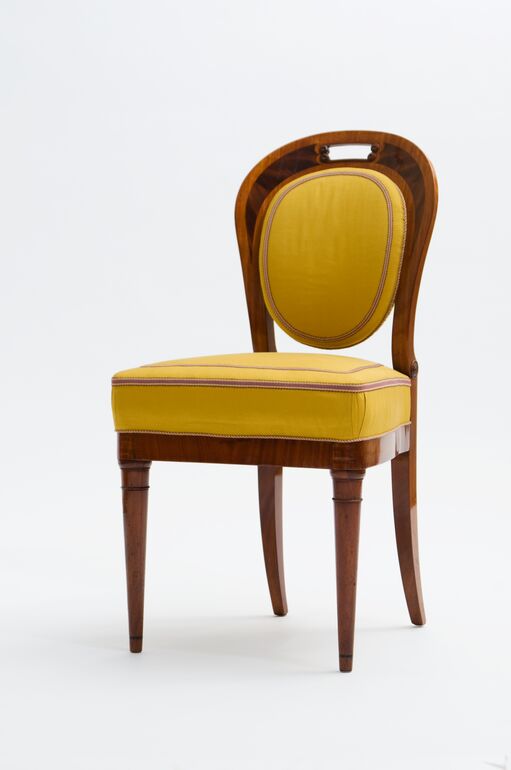
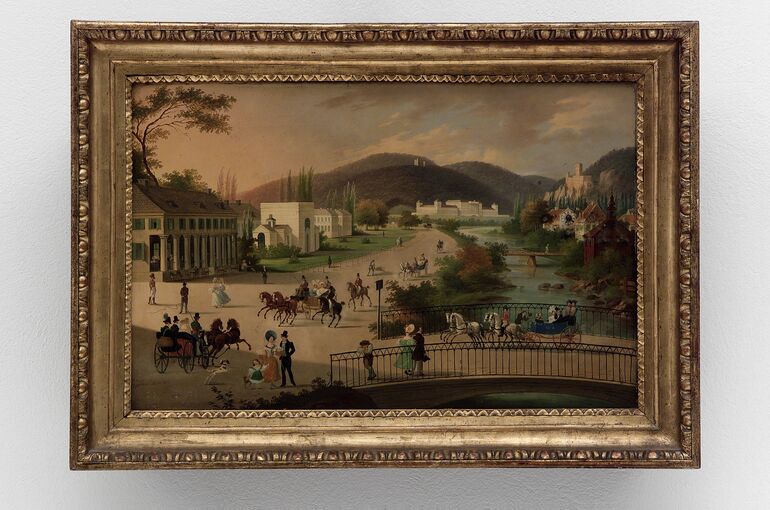
The Geymüllerschlössel in Vienna’s 18th district (Pötzleinsdorf), along with its gardens and interior design with furniture, paintings, and clocks from the Empire and Biedermeier periods—all from the MAK Collection—is one of the few places in Austria today that offers authentic insight into the diversity of Biedermeier decorative art. Together with the contemporary art works presented in the garden, it forms an ensemble in which nature and art, as well as historical and contemporary positions, enter into a dialog.
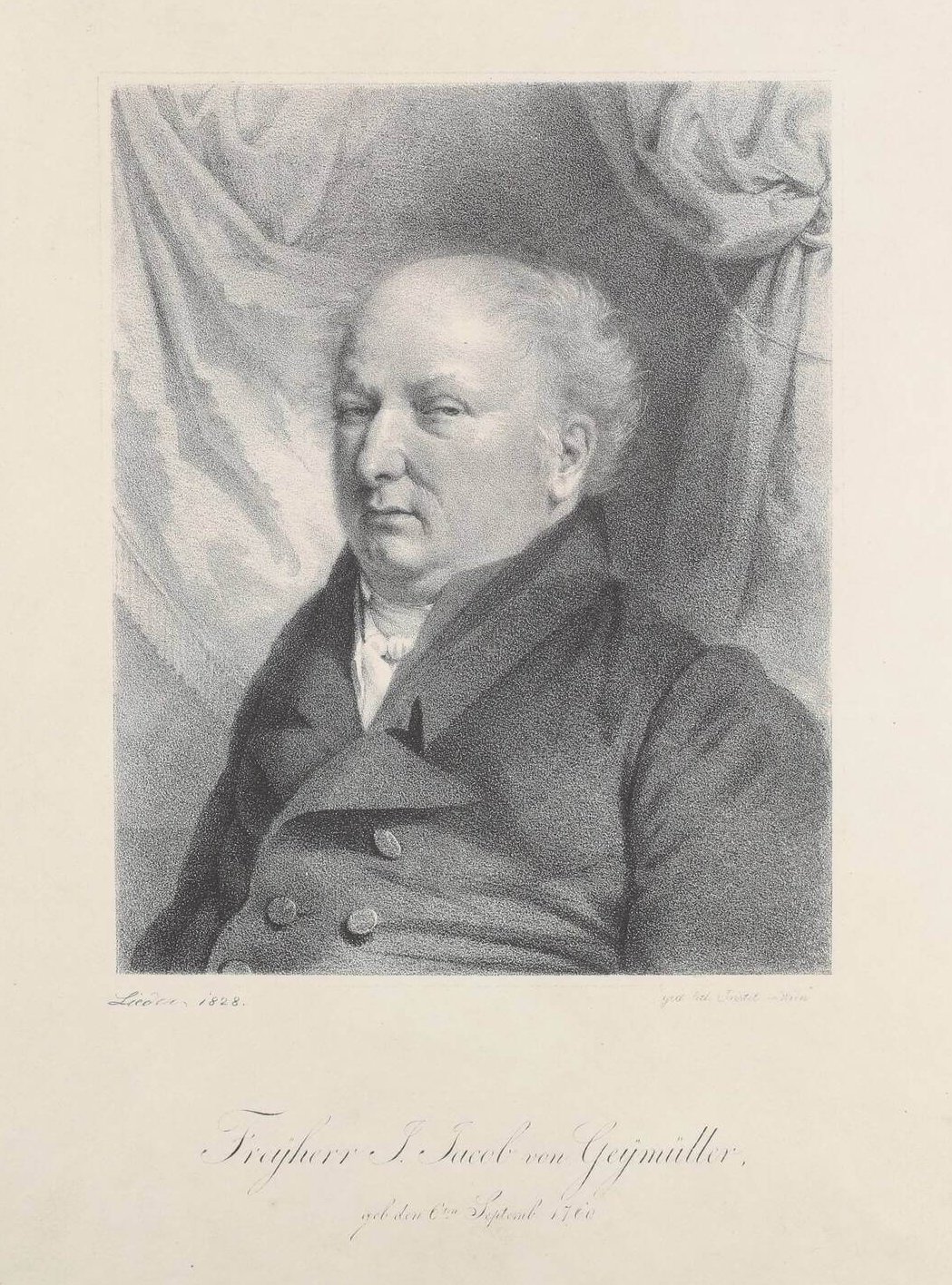
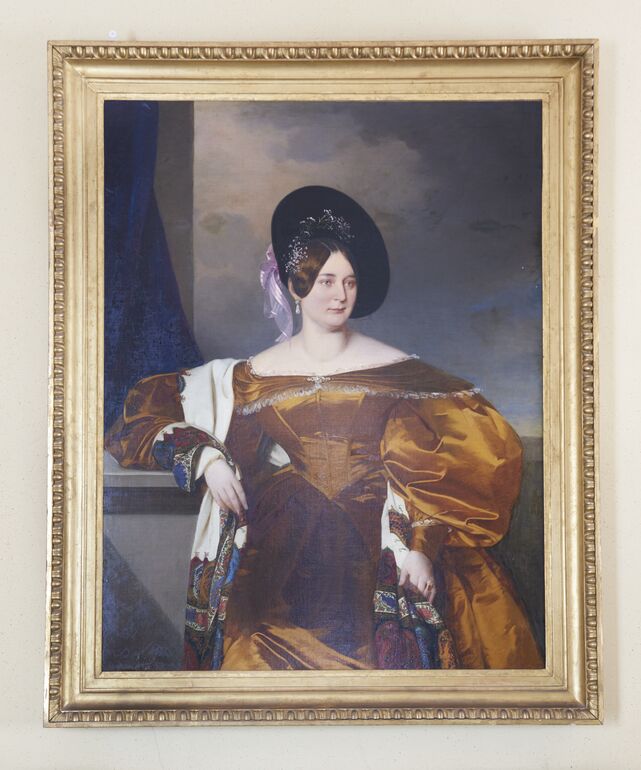
Friedrich Johann Gottlieb Lieder, Portrait of J. Jacob von Geymüller, 1828, MAK inv.no. KI 23656
MAK, Public Domain Mark 1.0 Universal
Built after 1808 as a “summer residence” for the banker Johann Jakob Geymüller (1760–1834), the architectural language reflects the mixture of Gothic, Indian, and Arabic style elements common for pleasure buildings at the beginning of the 19th century. The name of its architect is still unknown today. The property remained in the possession of the Geymüller family until 1842, before changing owners several times. In 1888, the textile manufacturer Isidor Mautner (1852–1930) acquired the Schlössel for his wife Jenny (1856–1938) and developed it into an important meeting place for the Viennese society, with lavish parties as well as music and theater performances. The who’s who of the Viennese art world around 1900 gathered here.
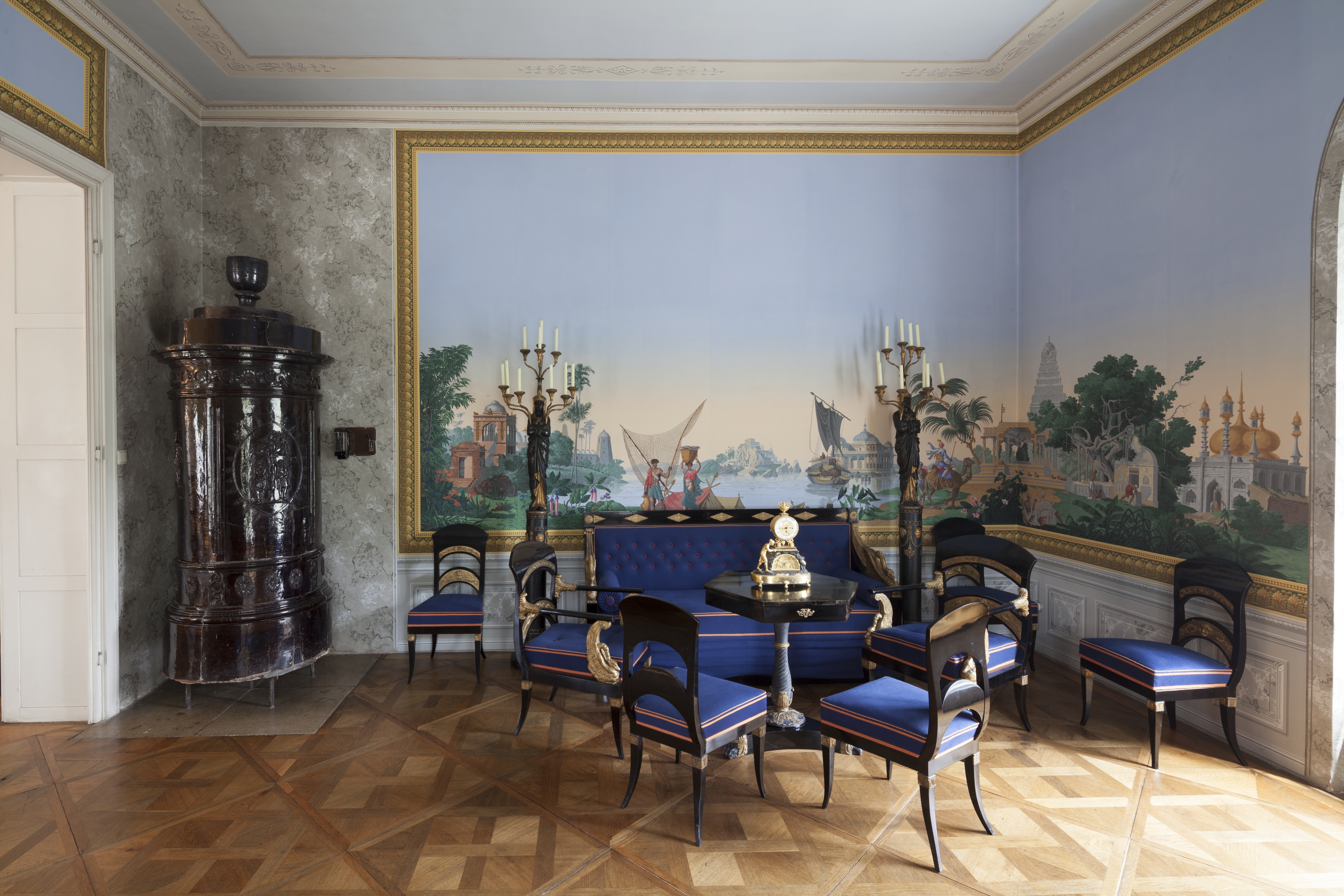
Innenansicht
MAK/Mika K. Wisskirchen, CC BY-NC-ND 4.0
In 1929, the building had to be pledged to the Oesterreichische Nationalbank. After the “Anschluss” in 1938, Mautner’s Jewish heirs lost their civil rights and fled the persecution of the Nazi regime. The mortgage was transferred to the Deutsche Reichsbank, which took over the building in 1944. After the Second World War, ownership was transferred to the Oesterreichische Nationalbank, which sold the Schlössel to the Republic of Austria in 1948. Since 1965 it has been a branch of the MAK.