The Bertha Pappenheim Collection
Album curated by: Lara Steinhäußer, 2026
Among the most significant collectors who helped shape the MAK Collection is Bertha Pappenheim (1859–1936), born in Vienna and later also active in Germany. Known under the pseudonym “Anna O.” as a patient of Josef Breuer and Sigmund Freud, she entered the history of psychoanalysis and is regarded as a key figure in the development of the talking cure. Pappenheim also gained prominence as a writer and Jewish feminist activist, advocating, among other causes, for women’s employment and against the trafficking of girls.
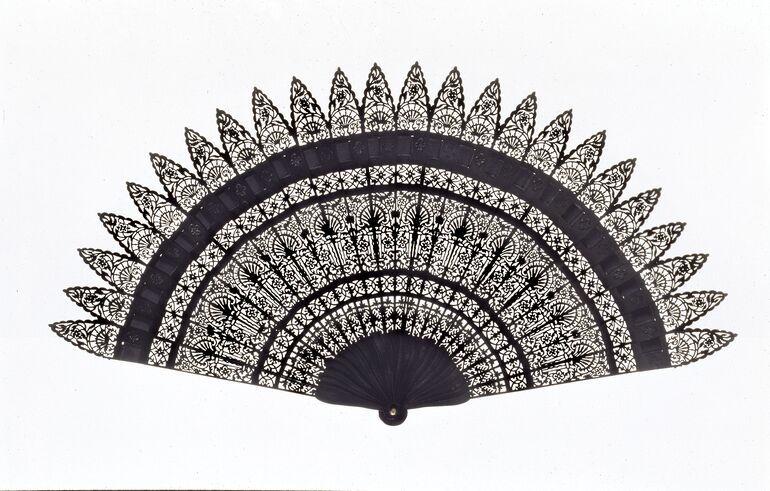
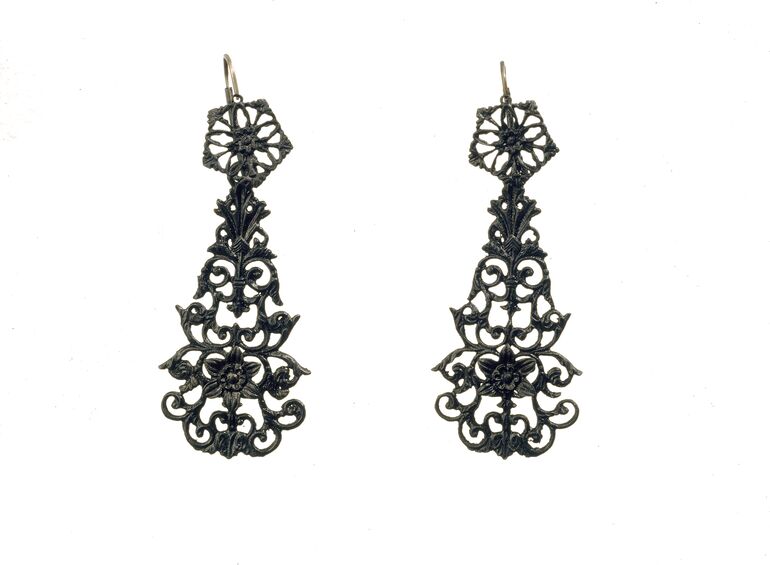
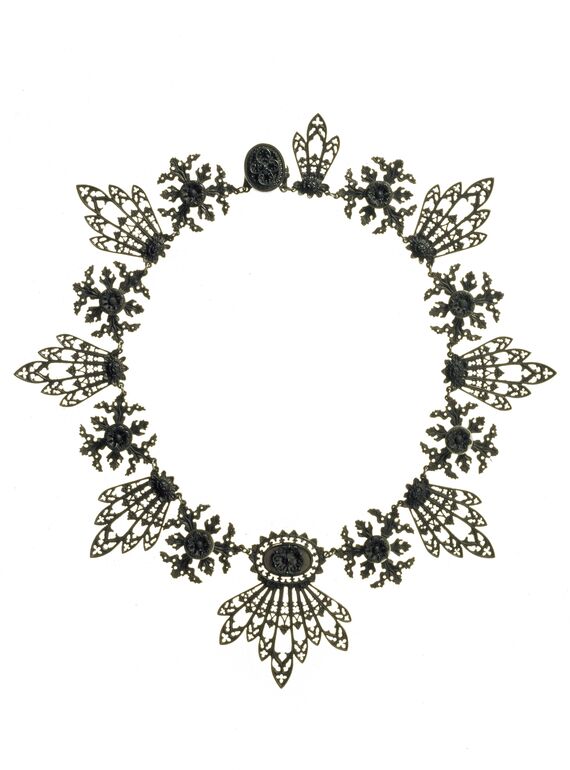
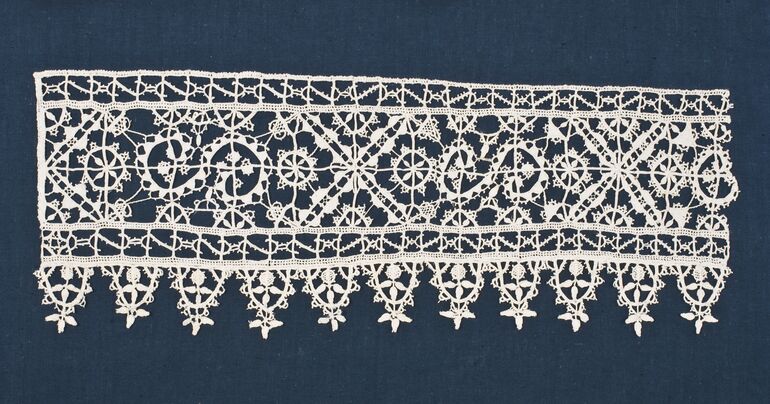
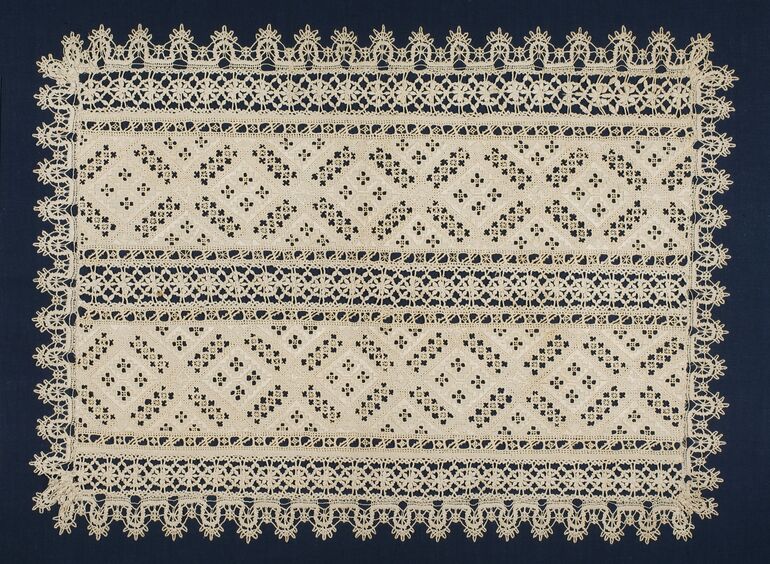
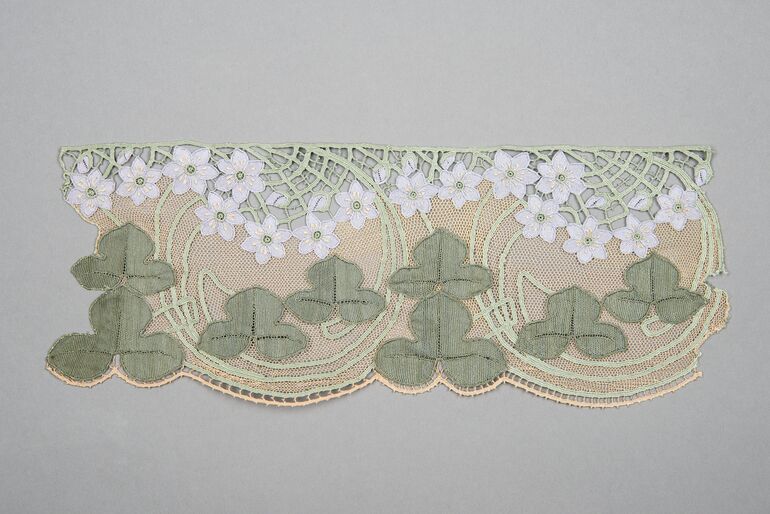
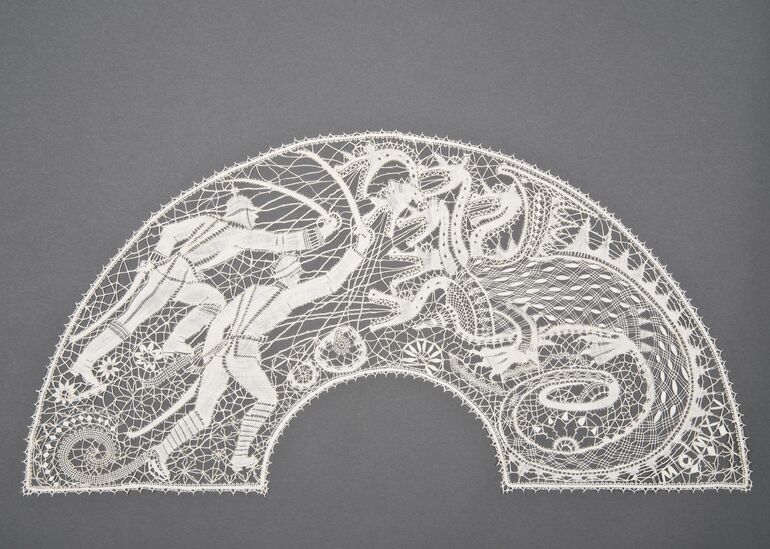
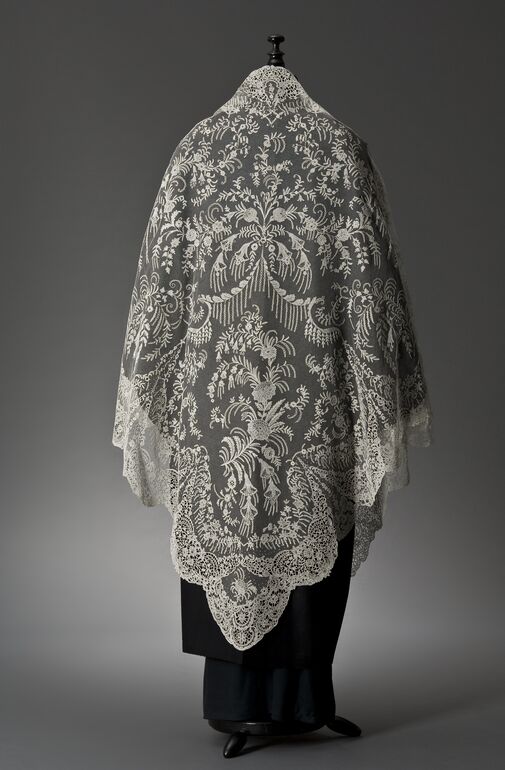
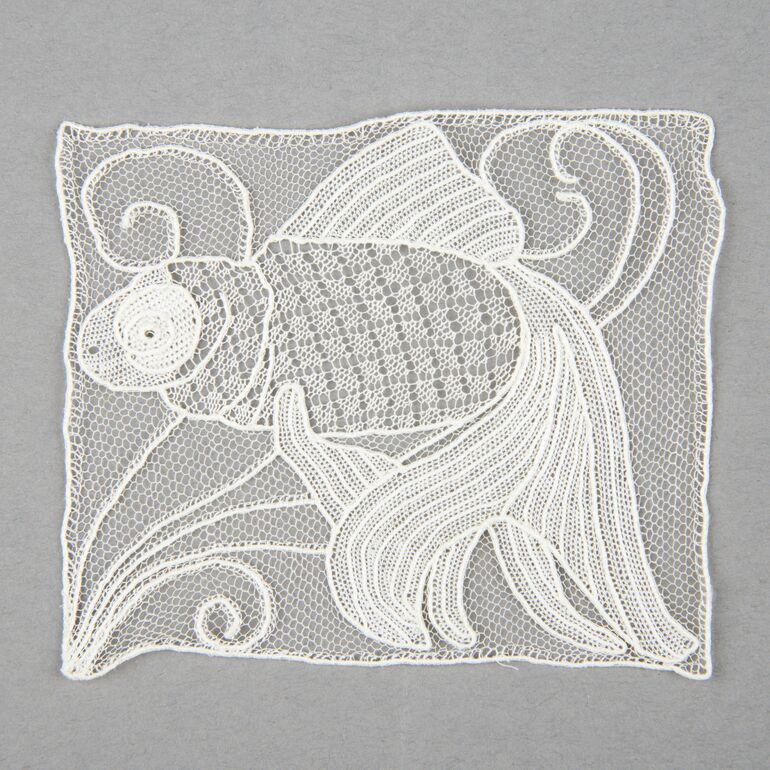
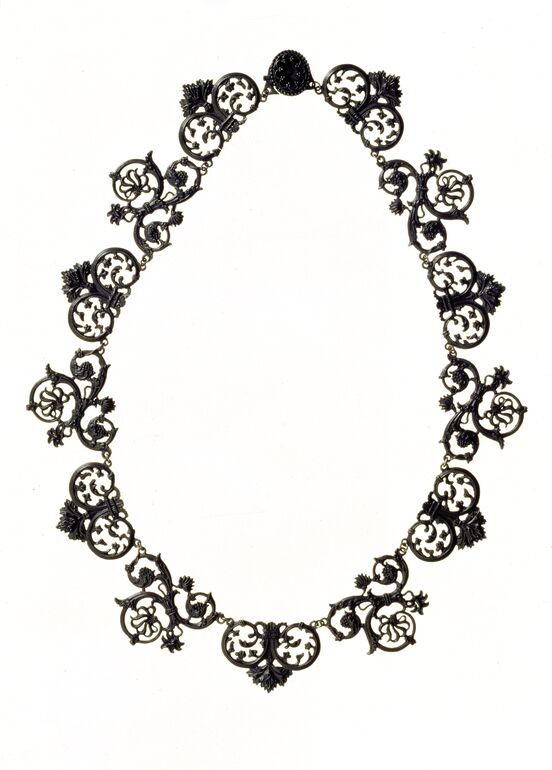
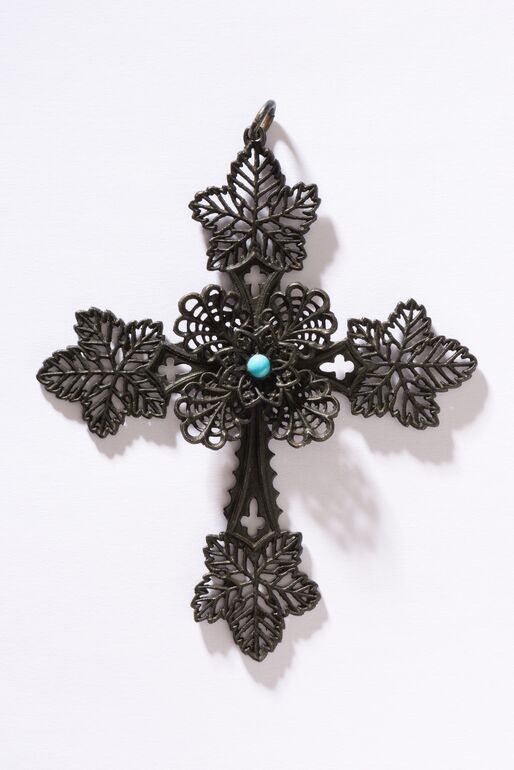
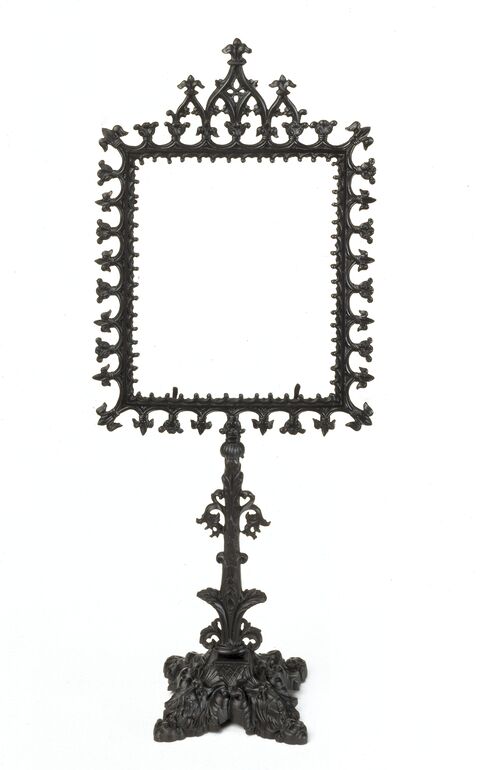
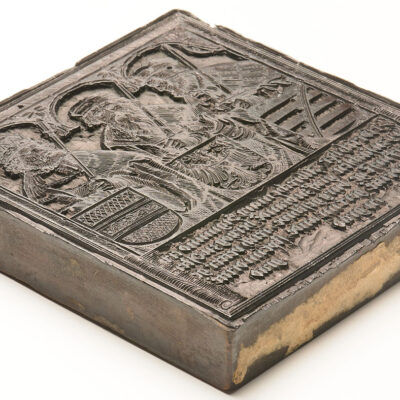
Her passion for collecting focused on delicate and translucent objects made from materials that were either very soft or very hard: More than 1,800 textiles and over 100 metal objects in the MAK Collection testify to Pappenheim’s fascination with cast iron objects, which flourished particularly in Berlin and Silesia during the first half of the nineteenth century, as well as to her enthusiasm for both historical and contemporary lacework and embroidery.
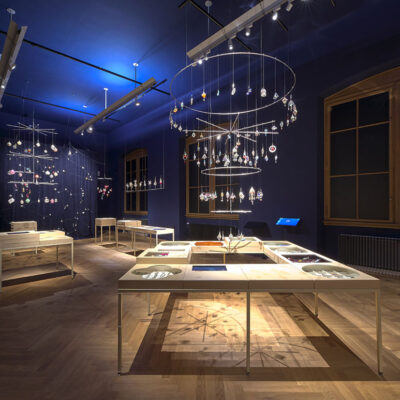
The incorporation of these two collections into the MAK’s holdings extended over several decades. Although Pappenheim had been in contact with Moritz Dreger, then curator of textiles, regarding her textile treasures as early as 1912, the majority of the collection, which spanned two museum collection areas, was not donated to the MAK until 1935, one year before Pappenheim’s death. In 2007, the MAK dedicated a special exhibition to these holdings under the title LACE AND SO ON… Bertha Pappenheim’s Collections at the MAK. Selected objects from the collection are permanently on display in the MAK’s Renaissance, Baroque, Rococo permanent exhibition.