The Tedesko Collection
Album curated by: Sebastian Hackenschmidt, 2024
Josef Frank’s Interior Design for the Apartment of Carl and Hedwig Tedesko
Architect Josef Frank’s first interior was the apartment he furnished in 1910 for his sister Hedwig and her husband Carl Tedesko at Landstraßer Hauptstraße 5 in Vienna’s 3rd district.
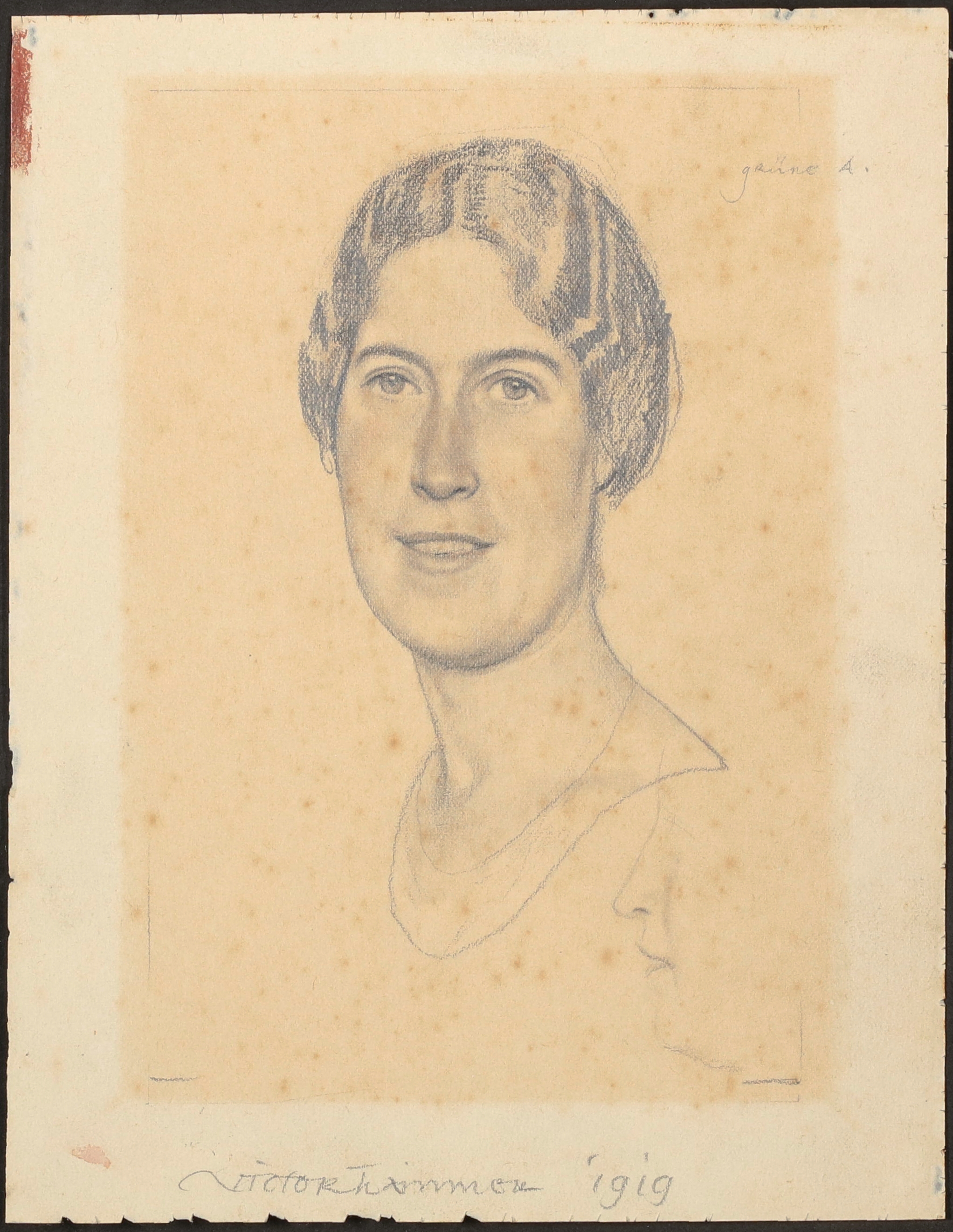
Viktor Hammer, Portrait of Hedwig Tedesko, 1919, MAK inv.no. KI 23626-7
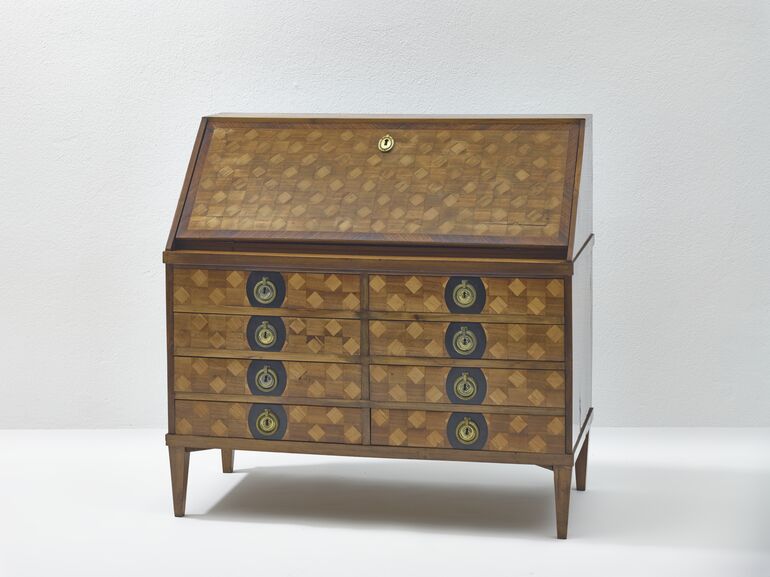
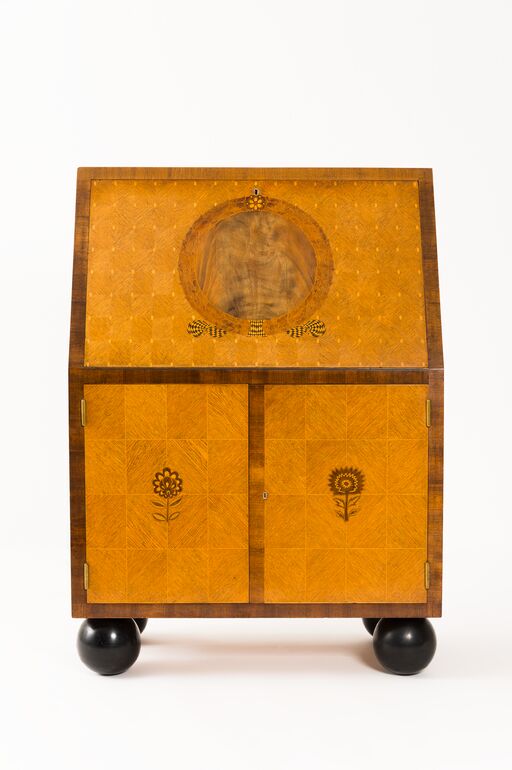
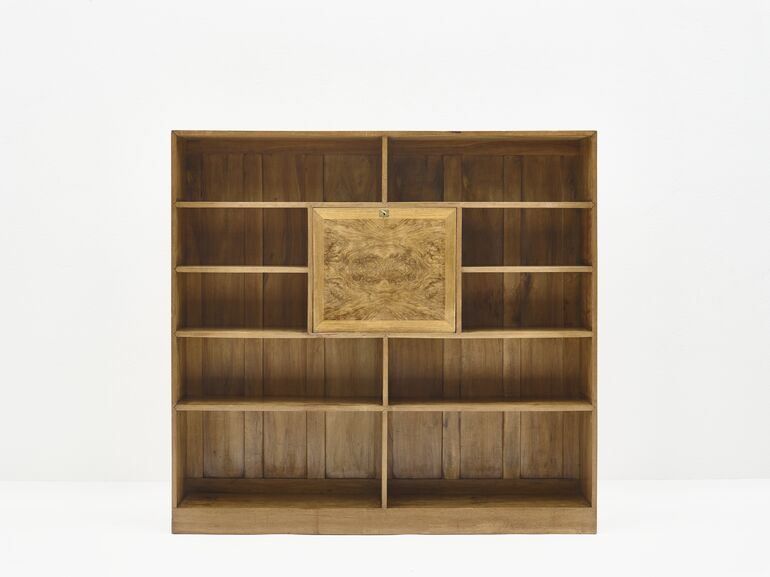
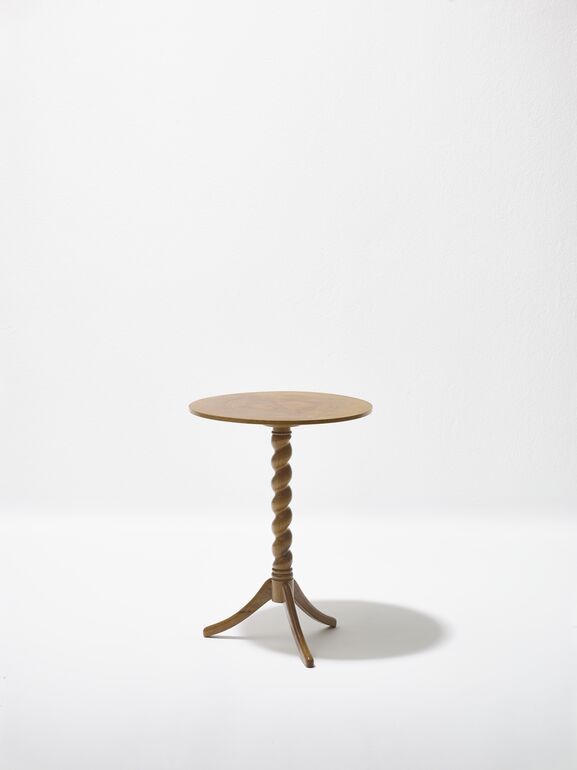
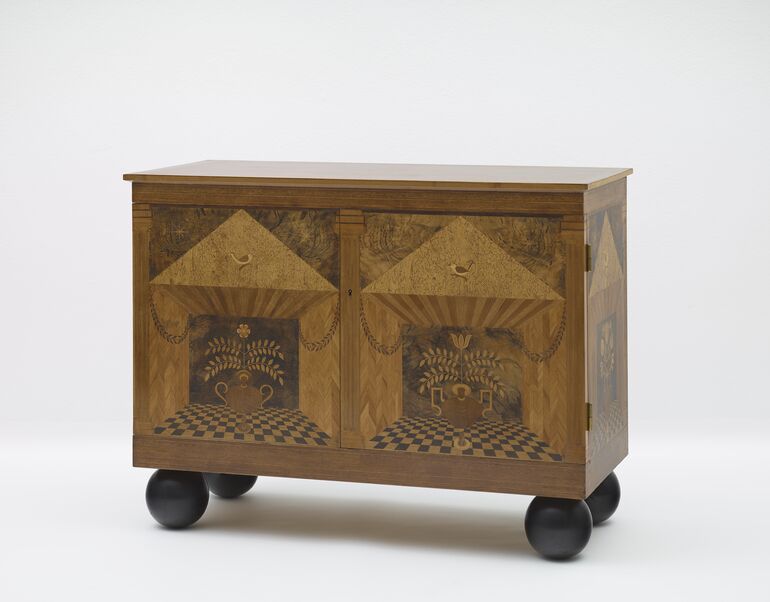
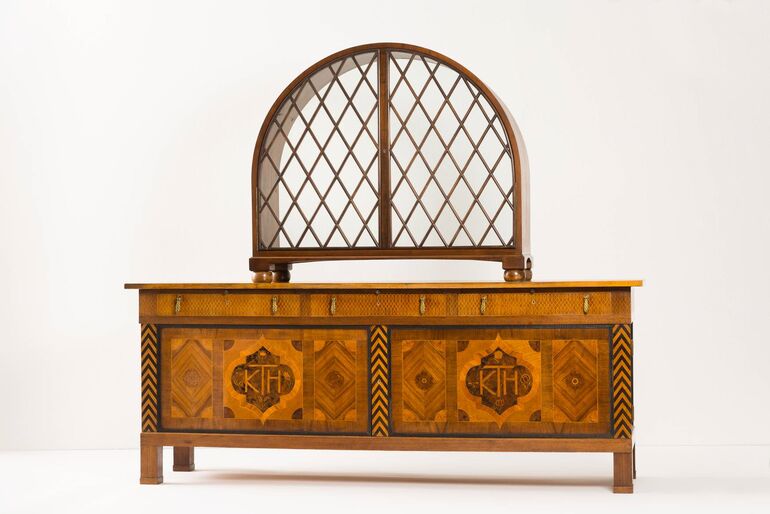
In this interior, Frank radically broke with the concept of the Gesamtkunstwerk staging, as advocated by the Secession and Wiener Werkstätte. Instead, he created free-standing individual pieces of furniture, some of which have a very individual character. They not only feature special surfaces—such as heavily grained wood veneer or elaborate inlays—but also heterogeneous stylistic origins: influences from the Italian Renaissance, French Neoclassicism and English models are evident, as are motifs from folk art, Austrian Biedermeier, and Viennese Modernism.
The Tedesko apartment thus anticipates many of Frank’s later ideas. His interest in historical forms already coincided here with the pragmatic view that an interior should grow as needed over the course of a lifetime and ideally appear “as if it had been created by chance”—an attitude that culminated in the view expressed in 1927: “One can use everything that can be used.” This attitude, which allowed the residents to use their own household effects, including kitsch and trivialities, makes Frank appear to us today as an important representative of humane modern architecture.
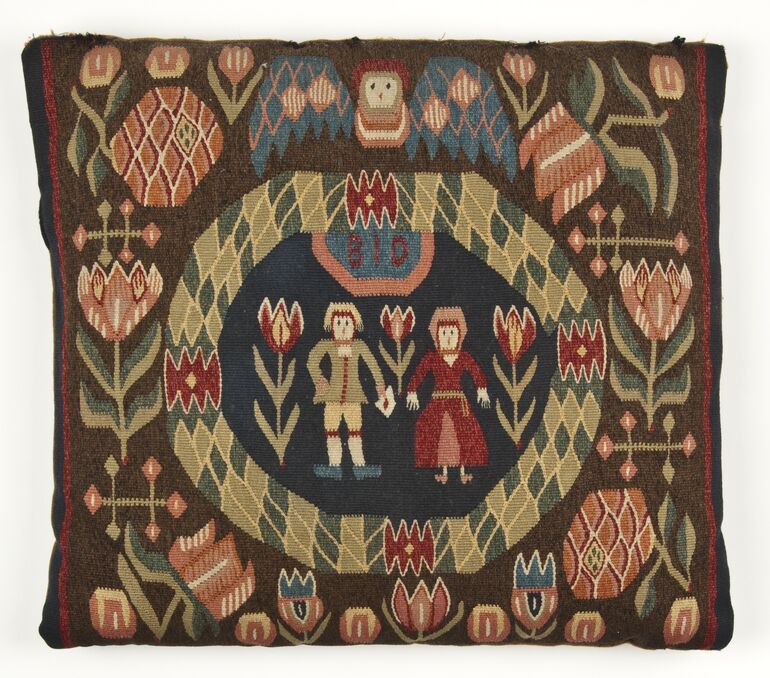
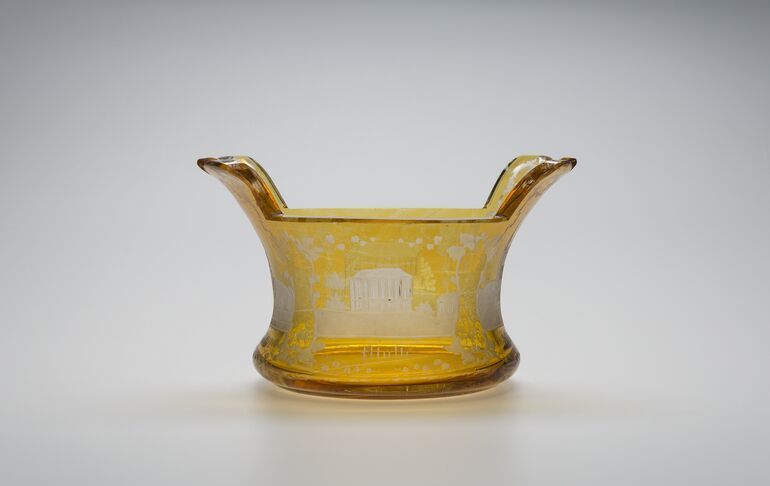
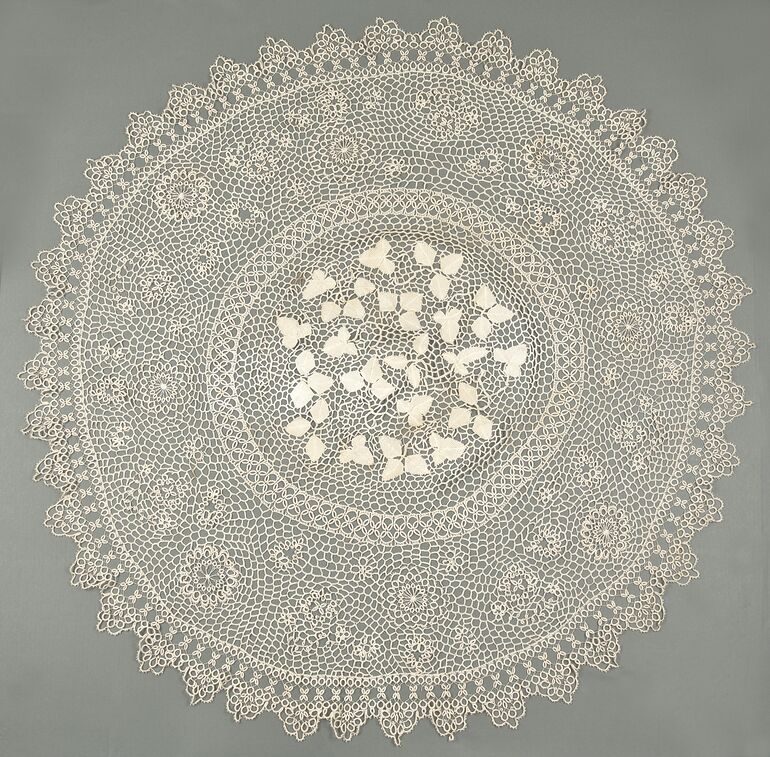
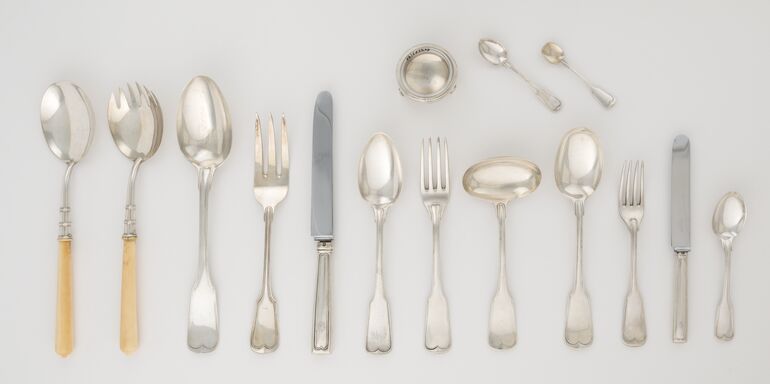
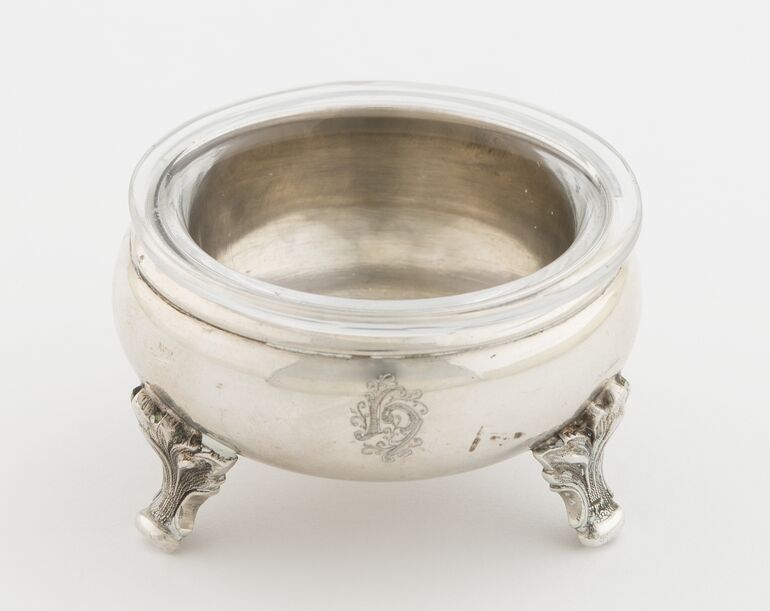
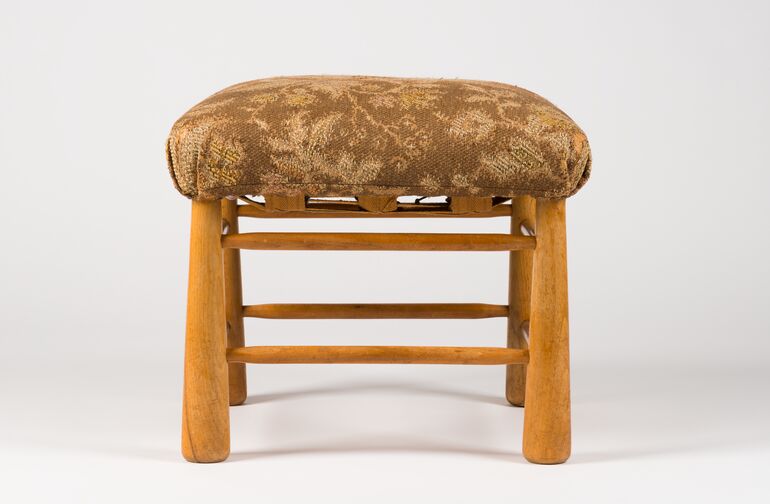
The furnishings of the Tedesko apartment, which had been almost entirely preserved in private ownership in Switzerland, were donated to the MAK by the Swedish Kjell och Märta Beijers Stiftelse in 2014. In addition to the original furnishings designed by Frank himself, they contain a large number of personal items belonging to the Tedesko couple, including flatware, tableware, and various textiles as well as paintings, Asian porcelain vessels and some later furniture by Josef Frank.